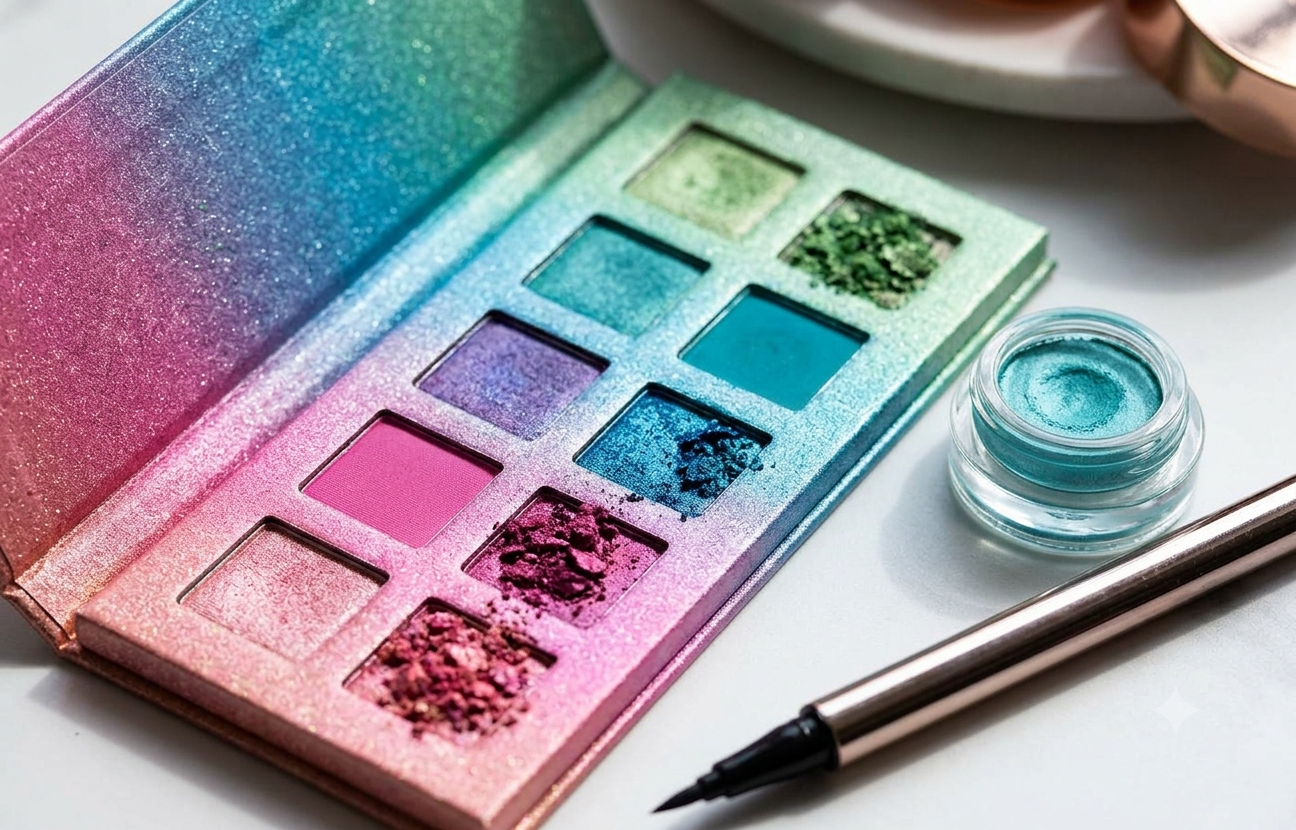
The eyes have long been celebrated as the windows to the soul, and throughout history, eye makeup has served as the ultimate medium to frame, accentuate, and transform them. From ancient rituals to contemporary high-fashion runways, the application of cosmetics to the eye area is both an art form and a daily celebration of personal style. Whether through a subtle sweep of neutral shadow for an everyday look or an intricate, avant-garde graphic liner design, eye makeup possesses the remarkable ability to communicate mood, culture, and individual identity without speaking a single word.
A Brief History of Framing the Eyes
The practice of adorning the eyes is far from modern; it dates back thousands of years across various ancient civilizations.
- Ancient Beginnings: In ancient Egypt, both men and women utilized kohl—a dark mineral powder—to line their eyes. Beyond the undeniable aesthetic appeal, this heavy liner served practical purposes, such as protecting the eyes from the harsh desert glare, repelling insects, and warding off infections.
- Theatrical and Cultural Shifts: Across medieval, Victorian, and twentieth-century eras, eye ornamentation evolved dramatically. While some periods favored stark, minimalist complexions with bare eyes, others—such as the roaring twenties and the swinging sixties—introduced dramatic winged liners, heavy lashes, and vibrant pops of color that defined entire cultural movements.
- The Modern Era: Today, eye makeup is limitless. With advancements in cosmetic formulations, consumers have access to waterproof polymers, highly pigmented mineral shadows, precision felt-tip liners, and lash-enhancing serums that merge performance with safety.
Essential Techniques and Anatomy of Eye Styling
Achieving a polished eye look relies on understanding the structure of the eye and mastering a few foundational techniques that can elevate any routine from simple to stunning.
1. Priming and Base Preparation
Because the eyelids naturally produce oils throughout the day, applying an eyeshadow primer is a crucial first step. A good primer prevents creasing, locks down pigment vibrancy, and ensures that your hard work lasts from morning until night.
2. Dimension and Depth
Creating depth involves strategically playing with light and shadow. Lighter, shimmering shades are typically applied to the inner corners and the brow bone to open up and brighten the gaze, while deeper matte shades are blended into the crease to create dimension and contour the eye shape.
3. Precision Lining
Eyeliner defines the overall shape of the eye. A tightline along the upper waterline creates the illusion of thicker lashes, while a classic wing or a bold graphic stroke can elongate the eye, add drama, or alter the perceived geometry of the face.
The Power of Color and Texture
The choice of color and texture allows wearers to shift their aesthetic narrative instantly.
- Matte Textures: Perfect for everyday wear, smoothing texture, and carving out sharp creases without catching unwanted light.
- Shimmers and Metallics: Ideal for catching the light, adding festive glamour, or making the center of the eyelid pop.
- Color Theory: Warm tones like coppers, bronzes, and terracottas complement blue and green eyes by creating striking contrast, while cool purples, silvers, and blues make brown eyes look richer and more luminous.
Conclusion
Eye makeup is ultimately a canvas for self-discovery and storytelling. It invites us to experiment, break rules, and highlight the features that make us uniquely ourselves. Whether you prefer a swift stroke of mascara for a natural, wide-awake look or a complex tapestry of blended pigments and sharp lines, the ritual of styling the eyes remains a powerful, timeless expression of human beauty.
Leave a Reply